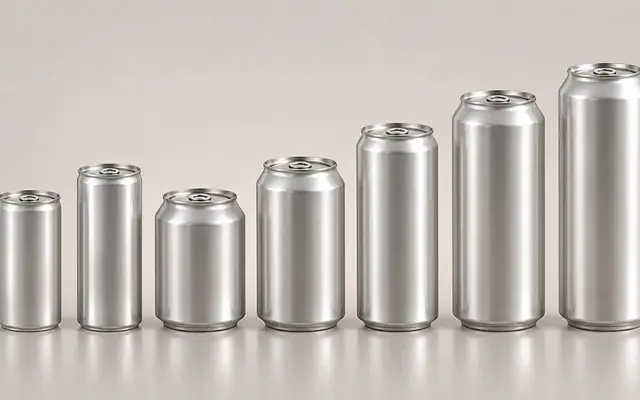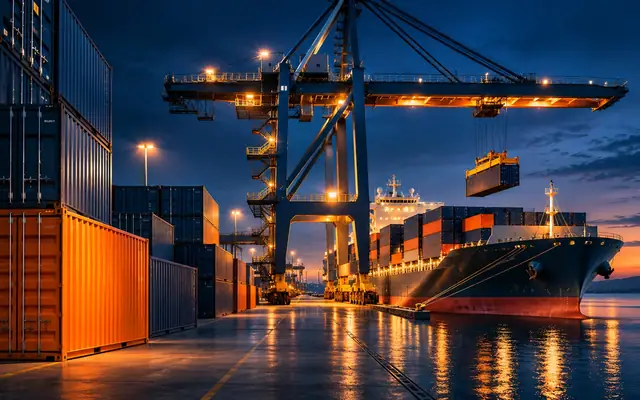
A 40-ft high-cube container typically holds around 200,000–230,000 empty 330 ml standard cans, depending on pallet pattern and height. Cans travel in layers separated by tier sheets, with a top frame and stretch wrap, on pallets sized for the customer’s depalletiser.
How empty cans are palletised
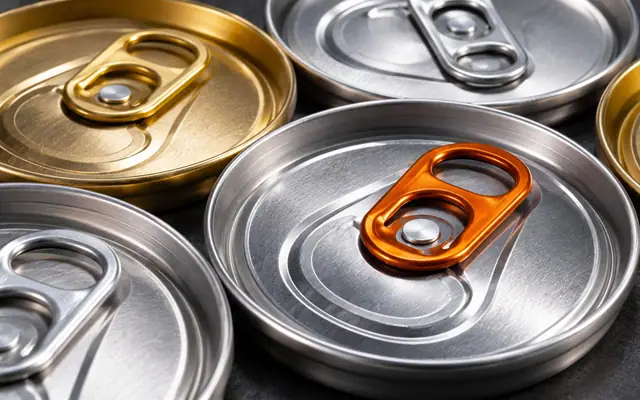
Empty cans are stacked open-end-up in layers. Each layer sits on a tier sheet (slip sheet), and a top frame holds the stack square. The pallet is then strapped and stretch-wrapped to keep out dust and moisture. Ends are packed separately in paper sleeves (“sticks”) inside cartons.
Approximate quantities per 40HQ
| Can size | Approx. cans per 40HQ |
|---|---|
| 250 ml slim | 260,000–300,000 |
| 330 ml standard | 200,000–230,000 |
| 355 ml sleek | 190,000–220,000 |
| 500 ml tall | 130,000–150,000 |
These are planning figures only — actual quantities depend on pallet size, layer count and container height. We confirm the loading plan in the quotation.
Tell us about your receiving plant
- Pallet size your depalletiser accepts
- Maximum pallet height and weight
- Tier sheet material preference (plastic or paperboard; plastic sheets are often returnable)
- Whether you need cans and ends in the same container
Protecting cans in transit
Empty cans are light but sensitive to dents and humidity. We use desiccant where needed, block pallets tightly in the container and photograph loading for every shipment.
Incoterms
We quote FOB, CFR/CIF and other Incoterms on request. Tell us your destination port and we will include an indicative freight estimate.
Frequently asked questions
How many 330 ml cans are in a 40ft container?
Approximately 200,000–230,000 empty 330 ml standard cans fit in a 40HQ, depending on the pallet pattern.
Can cans and ends ship in the same container?
Yes. Ends are packed in cartons and can be loaded with can pallets in one container.